Industry Overview
Logistics and distribution centers operate around the clock under heavy truck flow, equipment movement, and strict EHS and environmental requirements. Fuel spills, debris, and storm-water exposure can create safety hazards, compliance risk, and operational downtime if not properly maintained.
Keeping a commercial property presentable is no longer just cleaning. It is a documented process that has to satisfy a landlord, an insurer and a stormwater regulator, and it has to happen without closing the site down.
We work with property managers, facility teams, owners and general contractors to set a cleaning standard for the site and hold it. Each visit is scoped by surface, worked in your off hours, and closed out with photographs and a disposal record.
Operational Conditions
- Improper chemical storage or spills creating environmental and safety risks
- Slip hazards around loading docks, ramps, fueling pads, and staging areas
- Blocked trench drains or catch basins causing flooding or citations
- Insufficient documentation during EHS or corporate inspections
- Improper chemical storage or spills creating environmental and safety risks
What the work covers here
How the program is built
Program Design
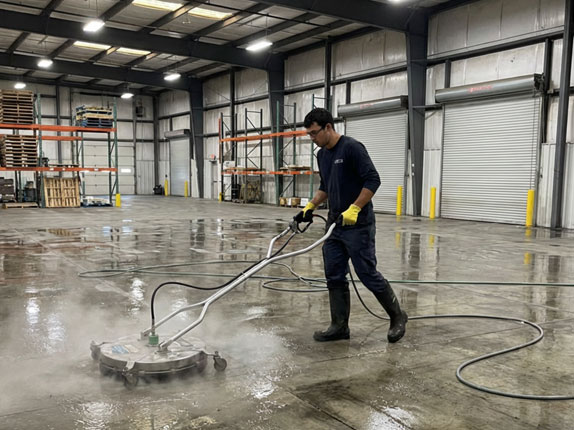
Exterior maintenance programs are structured around warehouse schedules, truck flow, and logistic operations. Each program aligns with EPA (U.S. Environmental Protection Agency), DOT, BMP/MS4 (stormwater Best Management Practices), and Industrial General Permit (IGP) expectations.
Field Execution
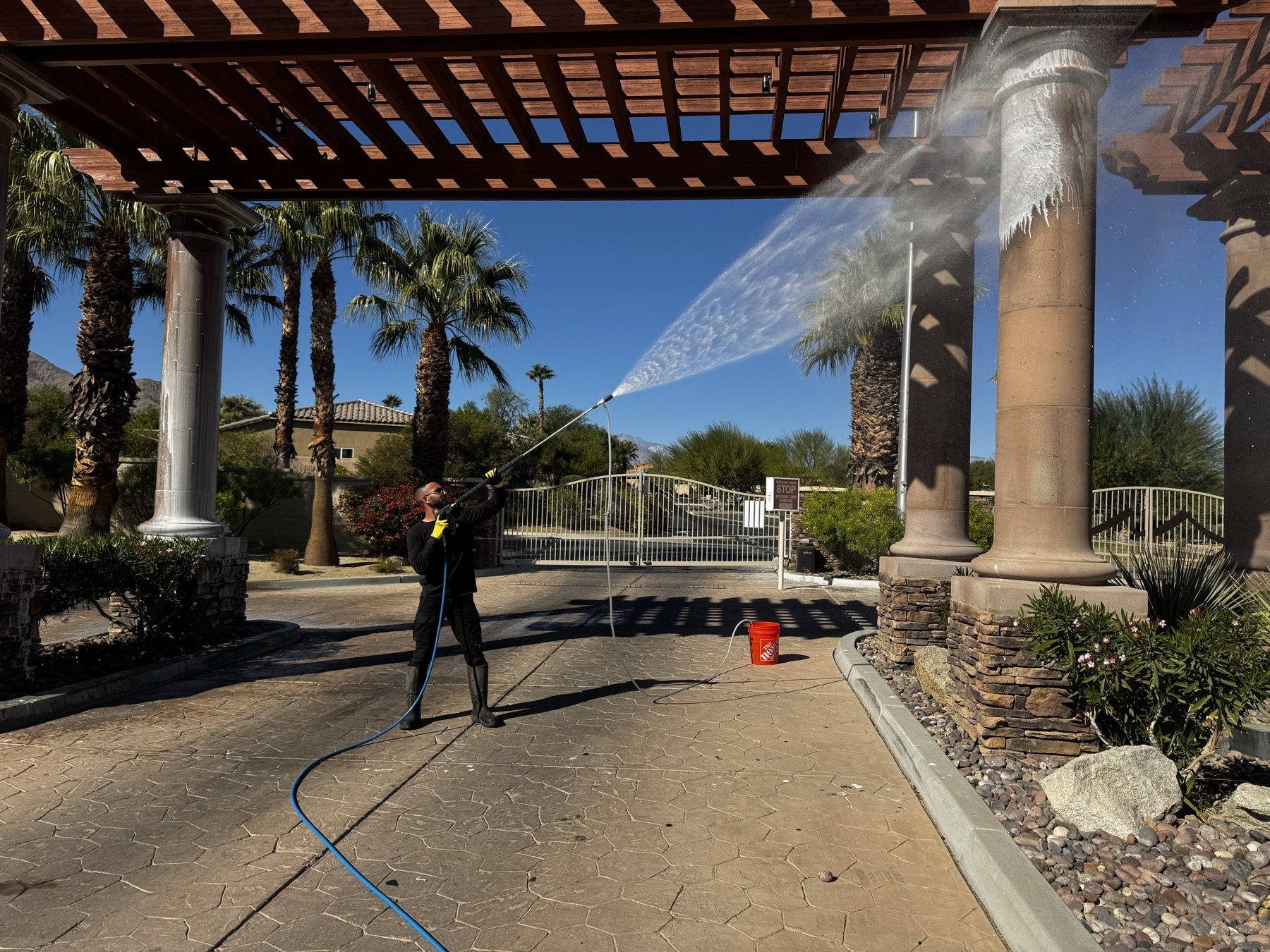
Crews follow OSHA (Occupational Safety and Health Administration), Cal-OSHA (Occupational Safety and Health Administration), and BMP/MS4 procedures using containment, controlled water direction, and heavy-equipment–safe operating practices.
Verification & Documentation
Services include timestamped photo verification, supervisor approval, and compliance documentation shaped for EHS, environmental oversight, and audit use.
Standards, safety and who this is for
PowerWashCo integrates environmental responsibility and sustainable practices into each logistics maintenance program.
Environmental Practices
All logistics programs follow OSHA, Cal-OSHA, and California BMP (Best Management Practices) storm-water regulations. Each project includes a written Job Hazard Analysis (JHA) and site-specific safety plan reviewed before mobilization.
Compliance Framework
Where we work
Centralized scheduling and regional crews support standardized service, rapid response, and consistent reporting for multi-site portfolios.
Logistics, warehouse, and distribution service coverage across Southern California:
What you get after every visit
Clear, verifiable reporting supports EHS programs, internal audits, and facility compliance records.

Frequently Asked Questions
Do you service active logistics yards and distribution centers?
Yes. All work is performed during coordinated or off-peak windows to maintain operational flow and minimize interruption.
Do your services meet EPA and storm-water IGP requirements?
Yes. All services follow California BMP, MS4 (municipal separate storm sewer system), IGP, and EPA Clean Water Act §402 standards.
Can PowerWashCo manage multi-site distribution networks?
Yes. We coordinate scheduling, documentation, and compliance reporting across regional and statewide logistics portfolios.
The teams we report to
A loading dock, a hotel forecourt and a hospital entrance soil differently, are cleaned differently and are inspected differently.
Built for portfolios, not just single sites
Portfolio condition surveys for owners and asset managers
Southern California counties covered
What the work covers on site
We keep commercial properties clean, compliant and open for business while the work is done.
Logistics & Distribution Center Pressure Washing and Storm-Water Compliance
Property Managers
One supervisor owns the account, walks the site and is there with the crew. You are not routed through a dispatcher.
Owners
Owners get a portfolio view: the same standard, the same paperwork and one point of contact across every location.
General Contractors
General contractors get a licensed, insured subcontractor who works to the site schedule and hands back the close-out paperwork the project files need.
Facility Teams
Facility teams get the work done in the hours the site can give us, with drains protected before any water is used and a record handed over afterwards.